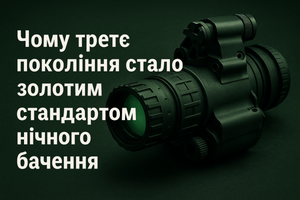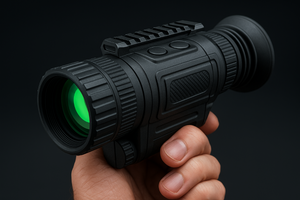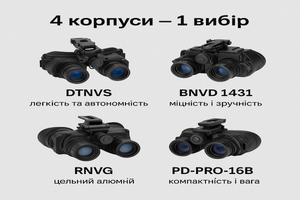
The PVS-14 housing is the structural foundation of the night-vision monocular. It holds the image intensifier tube, lens assembly, control electronics, battery compartment, and all external controls. Without a durable and properly manufactured housing, the device loses functionality, alignment, and environmental protection.
1. Why the housing is critical
While many users focus mainly on tube specifications, the housing ensures stable operation. Poorly manufactured housings can cause:
-
optical distortion;
-
malfunctioning controls;
-
damage to internal components.
A high-quality housing ensures structural alignment and long-term reliability.
2. Key functions of the PVS-14 housing
The housing provides:
-
structural support;
-
impact and environmental protection;
-
access to controls;
-
interfaces for mounting to helmets, weapons, or tripods.
3. Housing materials
Common materials include:
-
military-grade impact-resistant polymers;
-
aluminum or metal alloys;
-
hybrid composites.
Material choice affects weight, durability, and ergonomics.
4. Weight and ergonomics
For helmet-mounted use, weight is critical. Metal housings are stronger but heavier; polymer housings reduce fatigue and improve mobility.
5. Waterproofing and environmental resistance
Military-grade housings offer:
-
full sealing;
-
immersion resistance up to ~20 m;
-
resistance to dust, mud, and cold.
Commercial housings often provide only splash protection.
6. Control interfaces
The housing includes:
-
power button;
-
mode switch;
-
IR illuminator control.
Proper placement ensures intuitive and tactile operation.
7. Mount compatibility
The housing should match standards for:
-
helmet mounts (Rhino, Wilcox, Norotos);
-
weapon platforms;
-
camera tripods.
8. Field durability
A proper housing must withstand impacts, vibrations, and temperature extremes.
9. Modularity
Modern housings support replacement of:
-
battery compartments;
-
protective windows;
-
optical elements;
-
external controls.
10. When to replace the housing
Replacement is necessary if:
-
cracks or deformation appear;
-
sealing is compromised;
-
controls loosen;
-
mounts are incompatible.