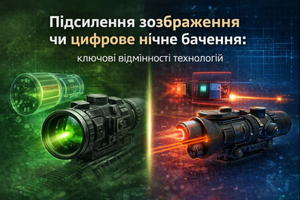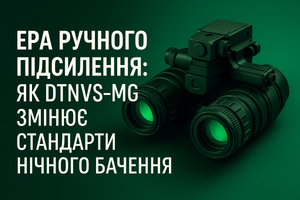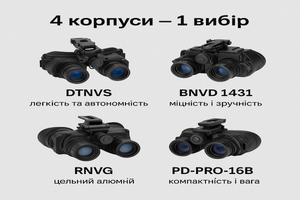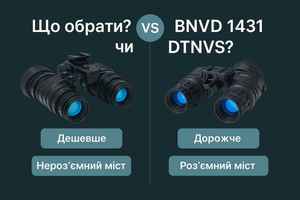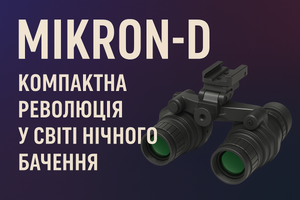
Modern dual-tube night-vision systems feature a key advancement: articulated pods.
Unlike fixed optical bridges, an articulated design lets the user raise, fold, or independently reposition each optical tube, offering unparalleled adaptability during real-world operations.
Why Articulated Goggles Matter
1. Hybrid operation mode (monocular + binocular)
By simply folding one pod outward, the device instantly becomes a monocular.
This is extremely useful when:
-
one eye must maintain natural vision for scanning or using a weapon optic;
-
situational awareness must remain uncompromised;
-
transitioning between bright and dark environments.
The hybrid capability combines the awareness of a monocular with the depth perception of a binocular when both pods are lowered.
2. Low-profile stow and safer movement
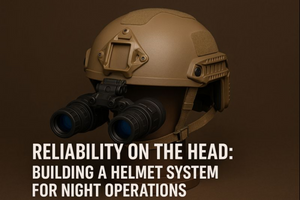
When folded back, articulated pods sit much flatter against the helmet compared to a monocular on a J-arm mount.
This dramatically reduces snagging risks in:
-
vehicles and tight interiors;
-
urban environments;
-
dense vegetation;
-
confined operational spaces.
It also protects the device from accidental impacts.
3. Instant transition to natural vision
Need to see naturally?
Simply flip the pods upward.
No detaching, no adjustments, no delays.
This is critical for:
-
vehicle operators;
-
UAV pilots;
-
CQB teams;
-
search-and-rescue personnel;
-
any scenario with rapidly changing illumination.
Final assessment
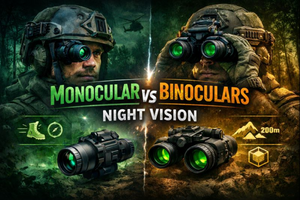
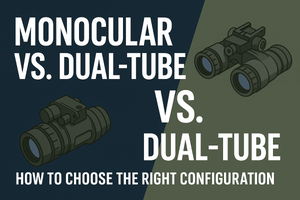
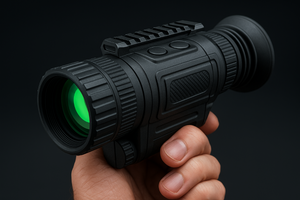
A high-quality monocular is excellent for cost efficiency and general mobility.
However, when the mission requires:
-
navigation at speed;
-
safe movement on uneven terrain;
-
precise depth perception;
-
reduced error rates;
-
better ergonomics over long durations,
— an articulated dual-tube system offers unmatched operational performance and fully justifies the investment.