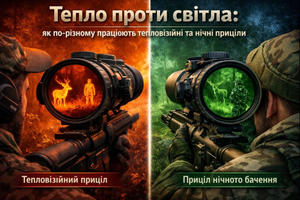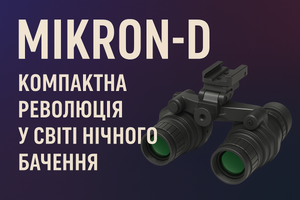
Although both technologies operate in low-light environments, image-intensification (I²) and digital night vision are fundamentally different systems. They process light differently, deliver different image characteristics, and perform differently in real-world field scenarios.
Selecting between them is not only a question of price — it depends on the operational context, user objectives, and performance expectations.
1. Technology Foundations: Analog vs Digital
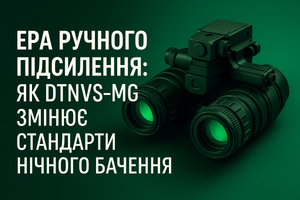
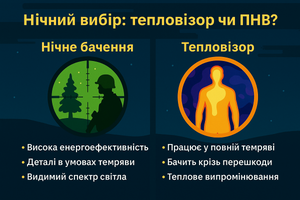
Image Intensification (I²) is an analog technology. Light is converted to electrons, multiplied, and projected through a phosphor screen.
It delivers exceptional clarity, contrast, and natural depth perception, especially in Gen 2+ and Gen 3 devices.
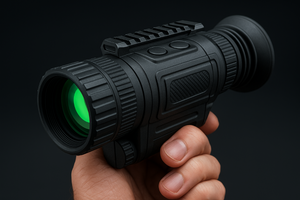
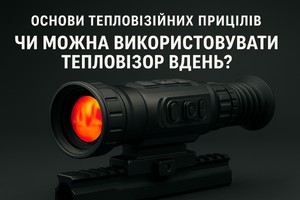
Digital Night Vision uses a camera-type sensor and image processor. The signal is digitized and displayed on a screen.
Its strengths include multi-functionality, recording capability, daytime safety, and affordability, although performance depends heavily on sensor quality and ambient lighting.
2. Comparison Table
| Parameter | Image Intensification (I²) | Digital Night Vision |
|---|---|---|
| Core technology | Analog photon amplification | Digital sensor signal processing |
| Image quality | Very high, natural perception | Variable; may become noisy in very low light |
| Low-light performance | Excellent | Often requires IR illumination |
| Daylight use | Not safe for tube | Safe for use |
| Extra features | Minimal | Recording, photos, zoom, firmware features |
| Cost | Higher | More affordable options |
| Typical use | Professional / tactical | Civilian / multipurpose |
3. Where Each System Performs Best
I² is best suited for:
-
object identification and recognition;
-
safe movement at night;
-
natural depth perception;
-
passive operation without IR sources.
Digital NV excels when:
-
recording or documentation is required;
-
daytime usability matters;
-
cost efficiency is important;
-
additional software features are valuable.
4. Core Conclusion
The systems are not competitors — they are complementary.
-
I² = professional-grade optical performance
-
Digital NV = flexible, functional, cost-efficient solution
The optimal choice depends on purpose, environment, and operational standards.