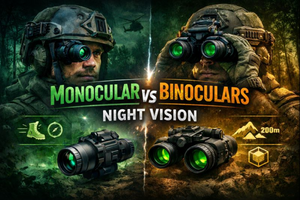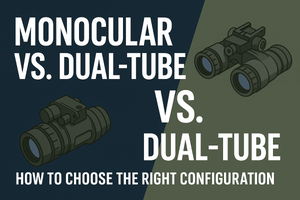
Night vision technologies have become indispensable across military, security, and wildlife observation sectors. Whether used by professionals or enthusiasts, understanding the differences between night vision systems helps determine the most suitable device for each purpose.

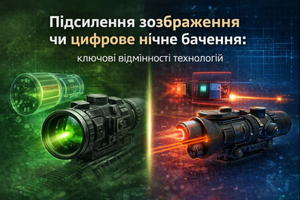
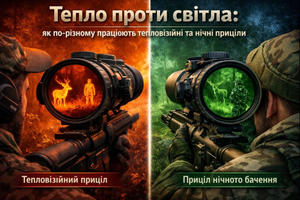
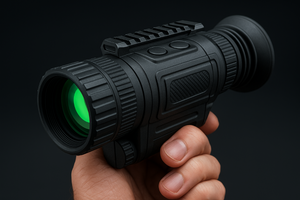
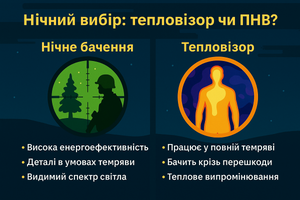
Modern devices are built on two main principles: image intensification and thermal imaging. Image intensification systems capture low ambient light and amplify it through photoelectric conversion, producing a visible green-tinted image that the human eye can easily interpret in darkness. These systems are most effective when minimal ambient light, such as moonlight or starlight, is available.
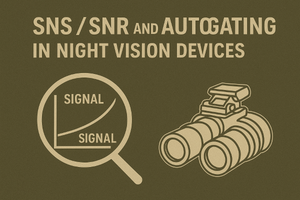
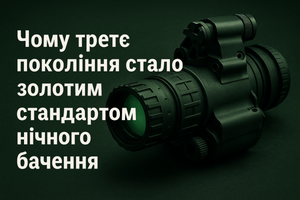
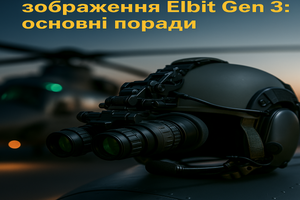
First-generation devices represent the earliest stage of night vision development. They provide basic performance but have lower resolution and limited range. Second-generation models, enhanced by microchannel plates, deliver higher clarity and less noise. Third-generation devices, often considered the gold standard, utilize gallium arsenide photocathodes to achieve exceptional light amplification and image quality. Fourth-generation systems introduce automatic gain control and improved contrast, resulting in crisp and highly adaptive imagery.

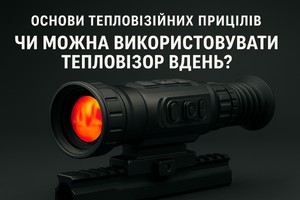
Thermal night-vision systems, by contrast, detect heat rather than light. They read infrared radiation emitted by all objects, making them effective even in complete darkness, fog, smoke, or foliage. Uncooled thermal devices are compact and affordable, while cooled thermal imagers — used in military and high-end security — offer superior sensitivity and detection range.
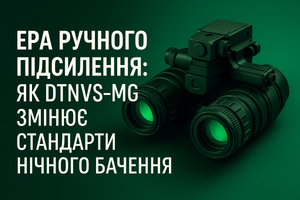
Choosing the right system depends on the intended application. Military operators rely on 3rd- and 4th-generation NVGs or hybrid thermal units for all-environment adaptability. Hunters prefer thermal scopes for detecting animals in darkness, while law enforcement and security professionals benefit from a mix of image intensification and thermal imaging for comprehensive situational awareness.
Other essential factors include detection range, battery life, and cost. High-end systems deliver top performance but require more power, while lower-tier models remain viable for general or recreational use. Ultimately, understanding these distinctions ensures users achieve optimal visibility and reliability in any environment.