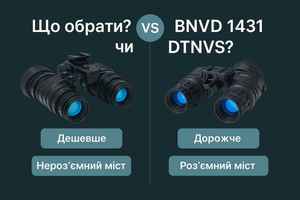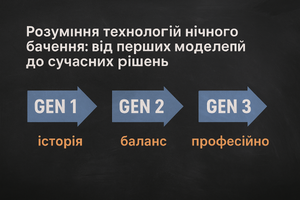
The night vision market offers multiple types of image intensifier tubes, each with unique strengths and technological differences. Understanding these distinctions is essential for choosing the right system — whether Photonis, Elbit, or L3Harris — as well as grasping cosmetic grading rules and performance specifications such as FOM, SNR and resolution.
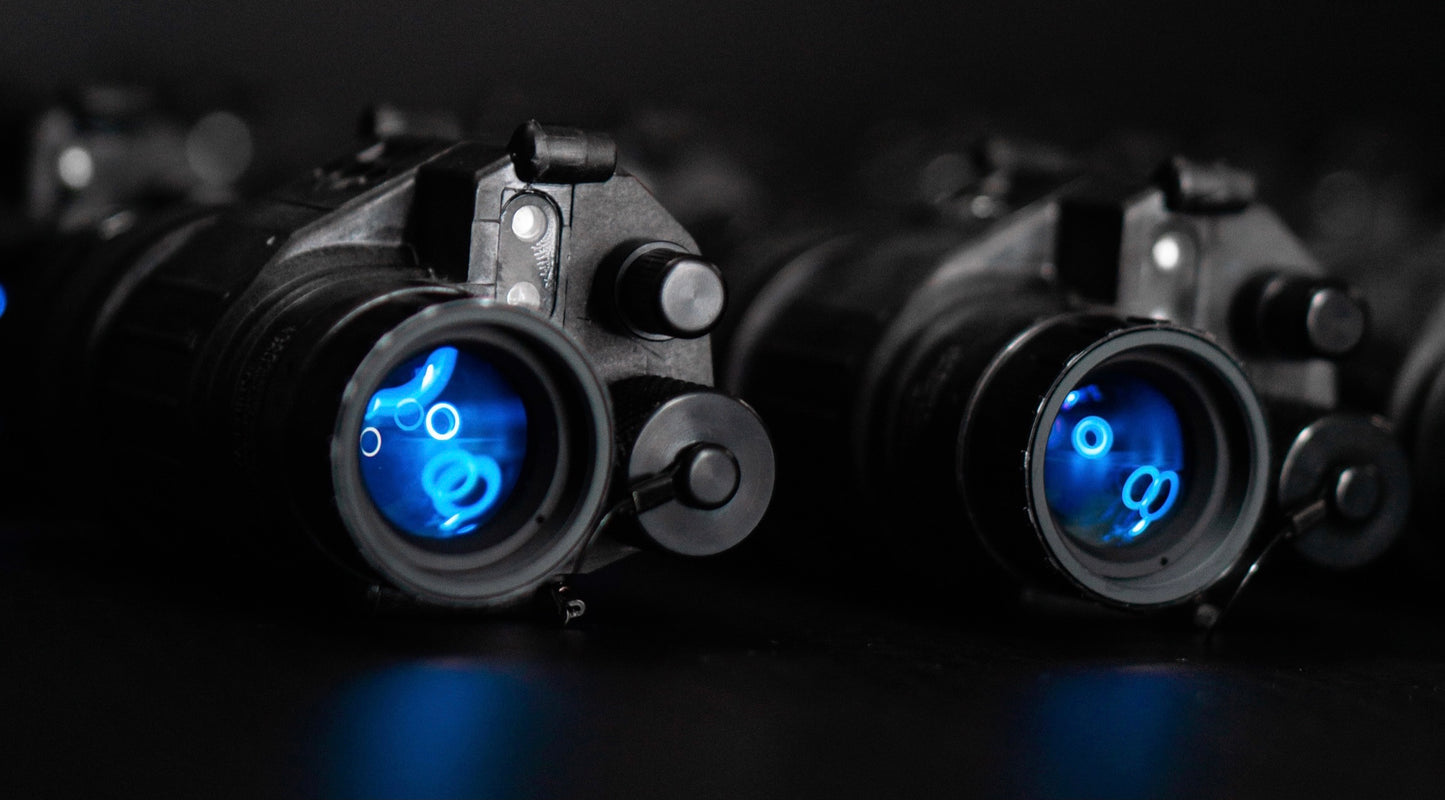
Photonis: hybrid Gen 2+ technology
Photonis tubes are typically classified as Gen 2+ because they use a multialkali photocathode instead of gallium arsenide (GaAs), which is the standard for U.S. Gen 3. This makes them a hybrid between modern and legacy technologies.
Their fast autogating, excellent image stability and broad spectral sensitivity make them strong performers, especially in mixed lighting conditions. However, in extremely low-light environments, Gen 3 tubes still outperform them.
Photonis remains one of the best budget-conscious options due to its high performance per dollar ratio.
Elbit: traditional filmed Gen 3
Elbit manufactures various filmed Gen 3 tubes. The thin aluminum-oxide film inside the structure protects the microchannel plate and was originally designed to extend tube life.
Despite common misconceptions, filmed and filmless tubes have the same expected lifespan. Film is a design characteristic, not an indicator of durability. Elbit tubes are known for stability and consistent performance.
L3Harris: the highest-performing filmless tubes
Although L3Harris produces both filmed and filmless variants, their filmless tubes deliver the highest sensitivity and the best results in extremely low-light environments. At equal specifications, they outperform filmed Gen 3 and Photonis Echo in true darkness.
Filmless tubes do not suffer reduced lifespan — they are engineered to the same durability standards and are sometimes referred to as “no-film” or “unfilmed”.
Cosmetic grading and tube classes
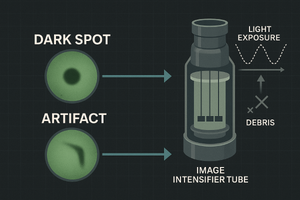
Terms like “blemish” refer to marks from previous use. These differ from fixed dark spots formed during manufacturing — the latter are normal and present even in premium tubes.
Only spots larger than 0.003" are counted. Smaller ones are allowed in unlimited quantities. If a tube does not meet military cosmetic standards, it becomes a commercial tube — but that does not make it inferior. Many of the best price-to-performance tubes come from commercial grading.
Spot specification system (UM / UA)
These markings indicate allowed blemish size and count:
-
M (Military Spec) — certain number of spots allowed in zones 2 and 3 but none in zone 1 above 0.003".
-
A (Aviator Spec) — stricter, prohibiting large spots in both zones 1 and 2.
Zones are arranged like a target:
Zone 1 is the center, zone 2 surrounds it, zone 3 is the outer ring.
Spots in zone 3 are barely noticeable during use.
Minimum specifications and FOM
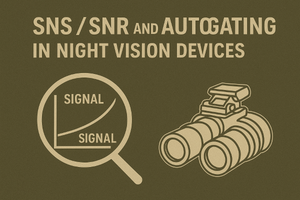
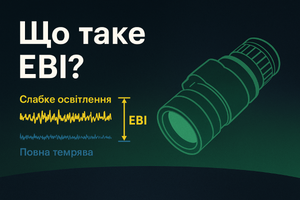
Each tube category has minimum performance requirements. For example, 20UM/UA requires a FOM of at least 1792 — SNR 28 × 64 lp/mm. Today, these values are easily surpassed by modern manufacturing from all major brands: Photonis, Elbit and L3Harris.
What should you buy?
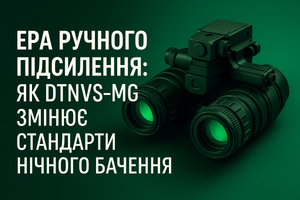
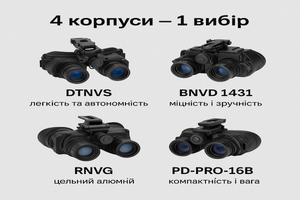
Night vision is a long-term investment. The tube is the most important component, far more than the housing. Choose the highest-quality tube you can within your budget.
Determine which housing features you need — articulating arms, built-in illuminators, external battery compatibility — and select the system that matches your operational requirements.