Night vision technology has become a strategic tool for military forces, special units, hunters, security professionals and rescue teams. Despite growing popularity, high-quality night vision devices remain expensive. To understand why, we must examine the technology behind image intensifiers, the differences between NVG generations and the manufacturing processes that drive up the price.

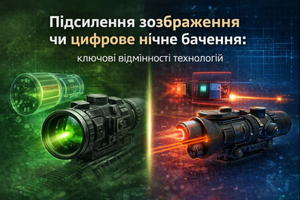
The Technology: Image Intensifier Tubes
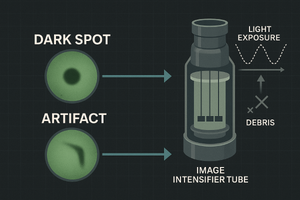
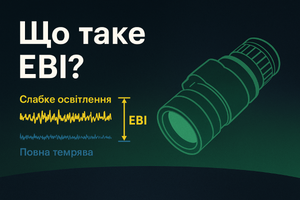
The main source of cost is the image intensifier tube (IIT). The photocathode, microchannel plate and phosphor screen require rare materials and precision manufacturing. Even a tiny defect can ruin a tube, leading to significant discard rates.
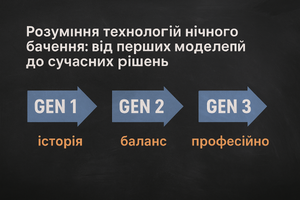
Night Vision Generations
Gen 1 — basic, inexpensive, low performance.
Gen 2 — microchannel plate improves clarity and longevity.
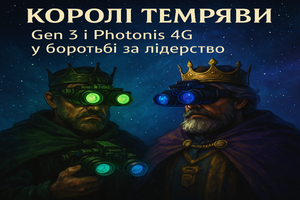
Gen 3 — gallium arsenide photocathode with superior sensitivity and contrast.
Gen 4 — automatic gain control and improved contrast.
Higher generations require more advanced and costly technologies.

Why Military NVGs Are the Most Expensive
Military-grade devices must withstand impacts, vibration, extreme temperatures and meet MIL-STD requirements. Aviation-grade alloys, reinforced polycarbonates and composite housings significantly increase production cost. Strict quality control reduces the number of usable IITs, further raising prices.
Why Quad NODs Cost So Much
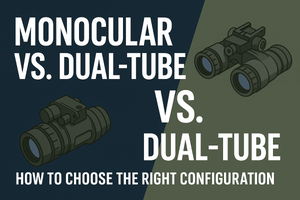
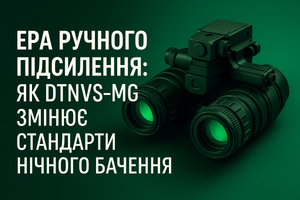
Quad NODs use four IITs instead of two, expanding the field of view to nearly 97°. This multiplies the cost of tubes, electronics and mechanics. The articulating system requires high-precision engineering, making these devices the most expensive NV systems on the market.
Limited Production
Night vision is produced in small batches — not millions of units like consumer electronics. Limited market size automatically increases unit cost.
Conclusion
Night vision devices are expensive because they rely on complex materials, delicate manufacturing, advanced optical amplification and strict reliability standards. In 2025, high-quality night vision remains costly not due to marketing, but because the technology itself is extraordinarily intricate.